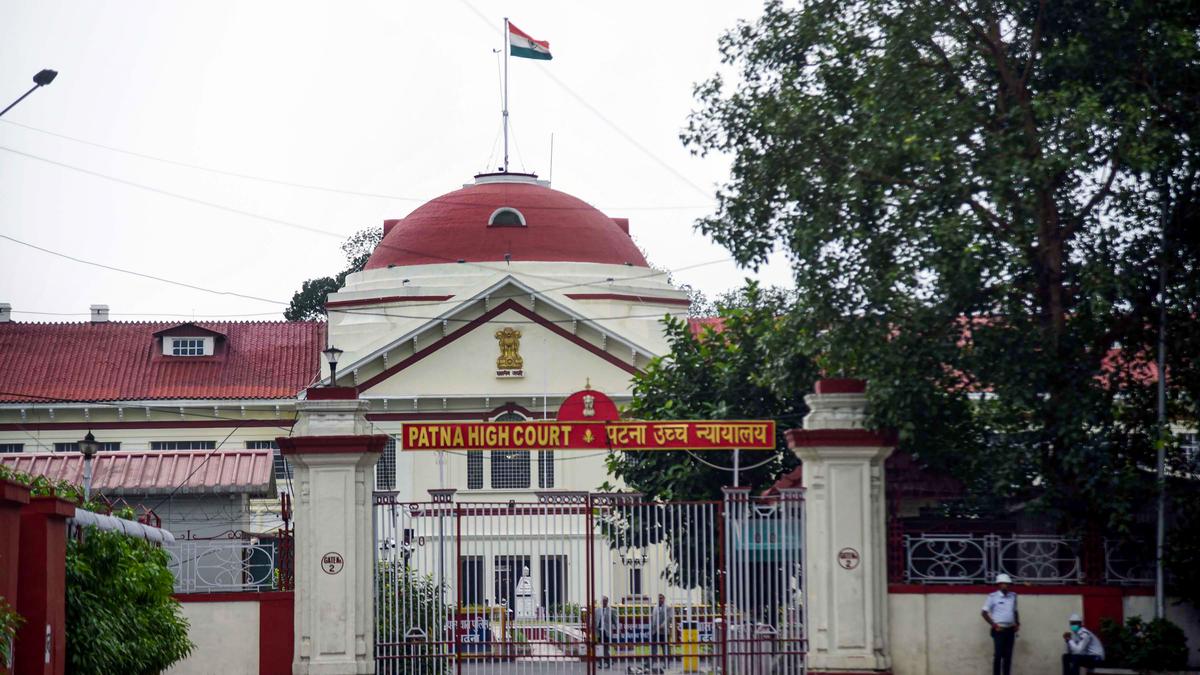
The Patna High Court on Friday quashed the dismissal orders issued against principals, teachers and non-teaching staff of Sanskrit colleges affiliated with Kameshwar Singh Darbhanga Sanskrit University. A single-judge bench presided over by Justice Kumar Manish passed the order while hearing 12 connected petitions, with Birendra Prasad Thakur v. State of Bihar (CWJC No. 13475/2022) as the lead case.
The petitioners were appointed between 2008 and 2015 in affiliated and deficit grant-in-aid Sanskrit colleges in Supaul, West Champaran, East Champaran, Patna, Saran and Jehanabad, following public advertisements and selection committees. Although the university's Syndicate confirmed their services, the Director of Higher Education rejected the appointments on April 21, 2022, and November 2, 2022, citing the absence of prior State Government approval required under Section 35(2) of the Bihar State Universities Act, 1976. The university then issued directions to terminate their services.
Relying on the Full Bench ruling in Braj Kishore Singh v. State of Bihar (1997), the court held that where posts have already been created and sanctioned under an established staffing pattern pursuant to the State Government's resolution dated October 18, 1976, separate prior approval is not mandatory for appointments made through a valid selection process. It observed that dismissing employees on technical grounds after more than a decade of service violates Articles 14, 16 and 21 of the Constitution.
Citing Clause 4(C)(1) of the Bihar State Litigation Policy, 2011, the court expressed concern over unnecessary litigation in similar cases and directed that a copy of the order be sent to the Chief Secretary and the Advocate General, stressing that such matters should be resolved at the departmental level. Declaring the petitioners' services valid, the court directed the Bihar Education Department to release grant-in-aid to the university within three months of receiving the order, so that the petitioners receive regular current salaries and all outstanding arrears from the date of their initial appointment.