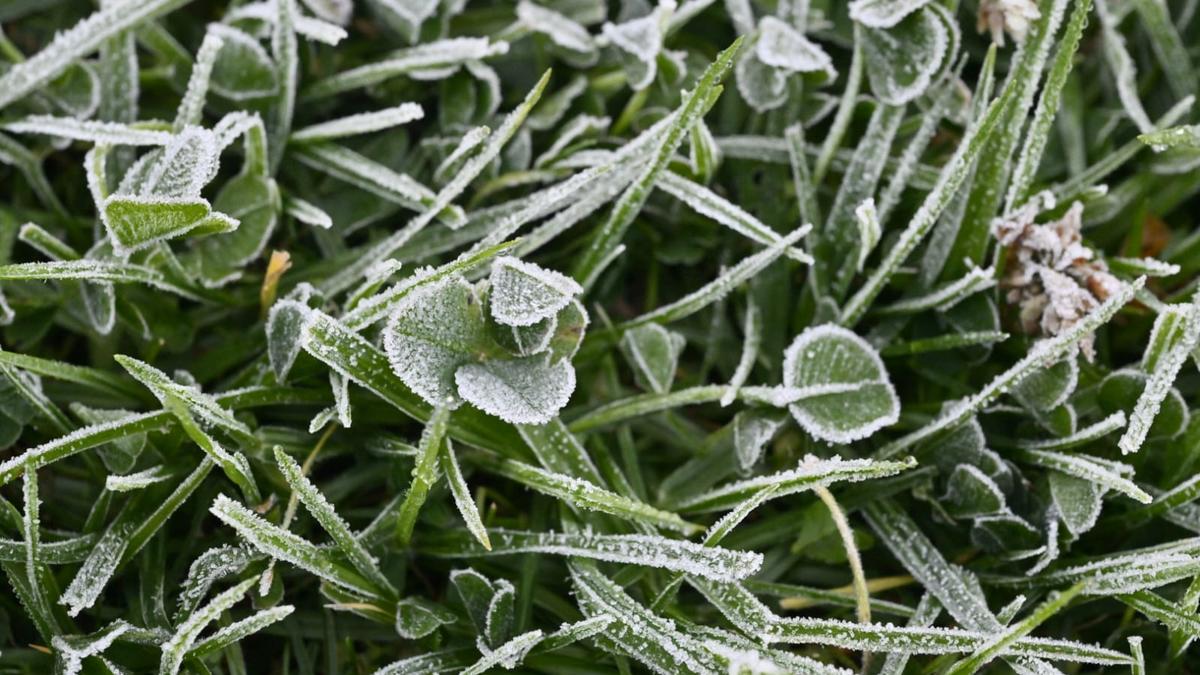
The Nilgiris recorded its first ground frost of the season on the intervening night of Tuesday, November 17, 2026, and Wednesday, November 18, with temperatures of 5°C to 6°C in the district's higher elevations, according to officials. Frost was seen early Wednesday morning in the low-lying parts of Ooty town around Ooty lake, as well as in Thalakundha, Khandal and a few other areas.
Ground frost usually sets in in late November or early December, though the season was extremely delayed in 2025. The delay in the onset of frost that year led to colder weather in the early part of the year, with places such as Thalakundha becoming tourist hotspots as the area was blanketed by ground frost.
Over the last few years, pictures of the district's annual ground frost have led to an increase in tourism footfall, with visitors keen to witness the phenomenon. Ground frost occurs when ground temperatures fall below freezing, causing ice crystals to form from condensed water vapour and creating the illusion of snow carpeting open expanses, particularly grasslands.
The ground-frost season also has ecological implications, with the phenomenon helping to curtail the spread of invasive species into the upper Nilgiris, as many species of invasive flora are unable to tolerate the extreme cold that native and endemic species have evolved to withstand and thrive in.