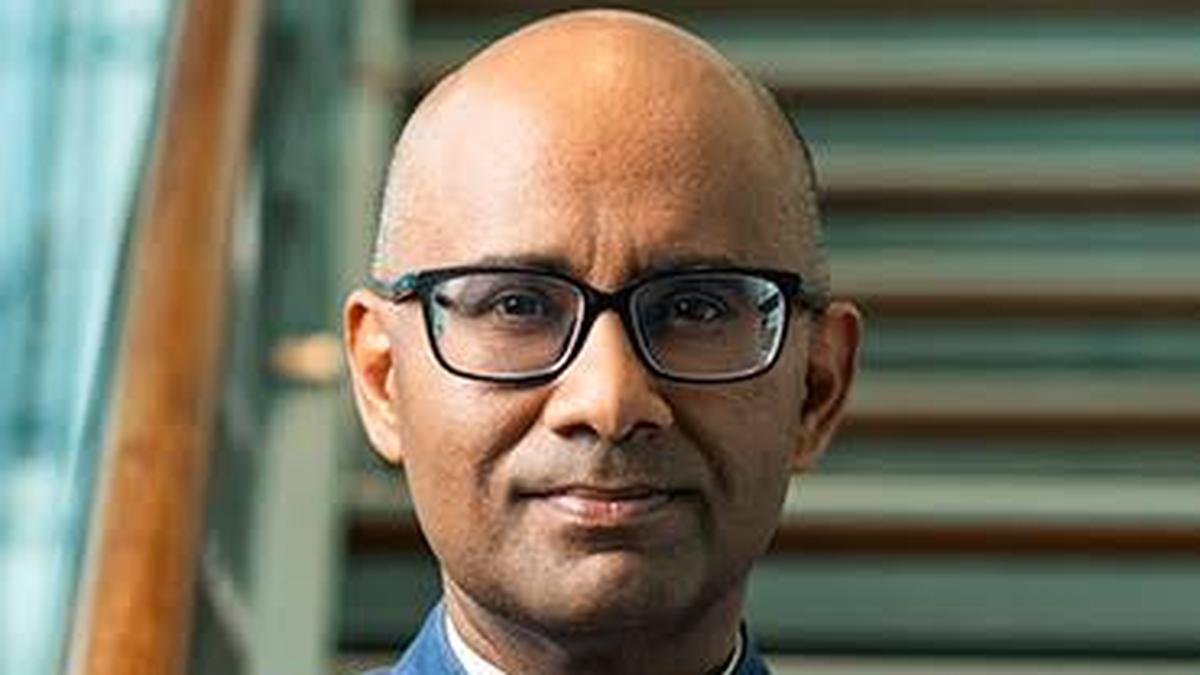
Organisations should treat the impact of artificial intelligence as a design challenge rather than a forecasting problem, Phanish Puranam, the Roland Berger Chaired Professor of Strategy and Organisation Design at INSEAD, said in a keynote address at the Indian School of Business.
Speaking on the basis of research from INSEAD's Organisations and Algorithms Program, he made the case for a human-centric approach to organisational design in the age of algorithms. He examined four concerns about AI and the future of work and said the evidence indicated that thoughtful organisational design could convert them into opportunities.
According to the address, people will remain valuable because they can be held accountable and can spot errors that machines may miss. Organisations that test, learn and adapt could use AI to help employees build skills, collaborate and take greater ownership of their work.
The fourth edition of the ISB Insights Forum, held on November 20, brought together researchers, business leaders, policymakers and philanthropists to explore practical solutions to economic and social challenges. Karthik Balakrishnan, Deputy Dean, Faculty and Research, ISB, said the strength of a research ecosystem lies in the quality of research rather than its volume, and that this quality depends on how research is discussed. Research is relevant only if it is rigorous enough to be acted upon, and relevance should be judged over time rather than over the next quarter, he said. Sessions at the forum examined topics including the geopolitics of AI, AI and financial innovation, building livelihoods, policymaking during economic crises, women's advancement at work and operational models for community health workers.