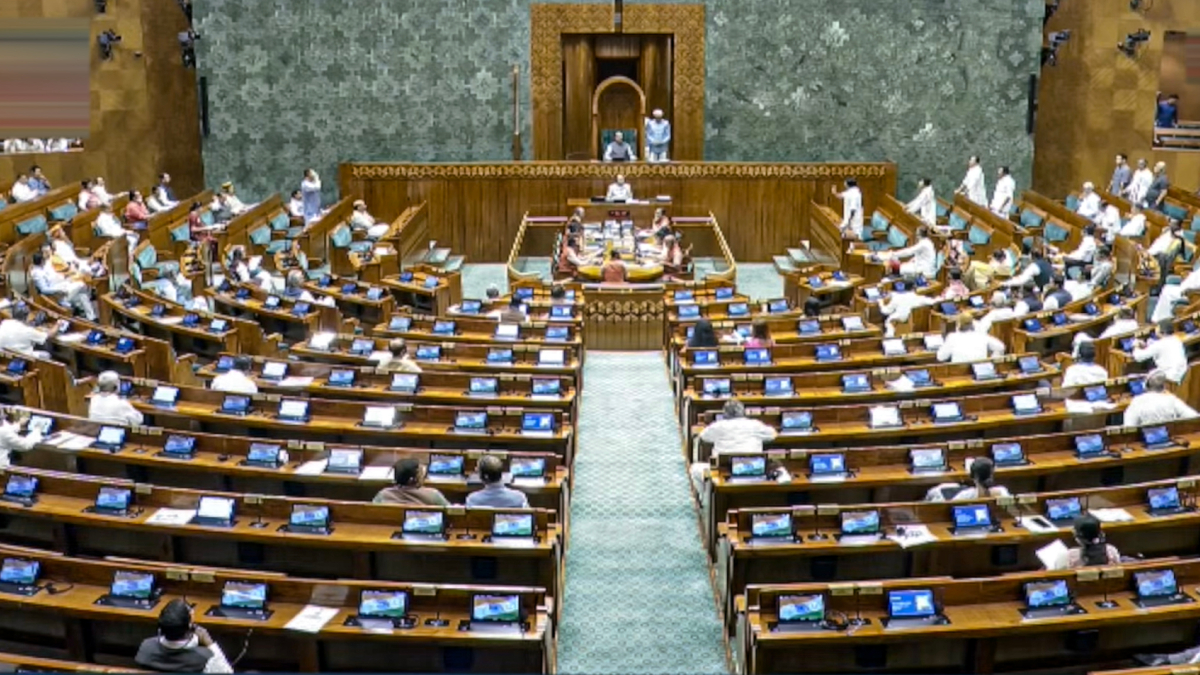
The Centre is set to introduce a sweeping overhaul of electoral representation in Parliament, proposing a 50 per cent increase in the strength of the Lok Sabha and state Legislative Assemblies to facilitate the implementation of one-third reservation for women. The Constitution (132nd Amendment) Bill, 2026, popularly referred to as the Delimitation Bill, is slated for introduction in the Lok Sabha on Monday.
The proposed legislative package comprises two Constitution Amendment Bills and one Union Territory law amendment Bill. The Bill proposes to raise the maximum strength of the Lok Sabha from 550 to 850, while the maximum strength of state Assemblies would rise from 500 to 650. The 131st Amendment Bill seeks to retain the 1971 Census as the basis for determining the allocation of Lok Sabha seats among states, while the 132nd Amendment Bill proposes to use the 2011 Census for delimitation and constituency boundary readjustment. The government has proposed that the revised seat allocations and constituency boundaries remain frozen until 2051, with the new constituency map expected to be ready before the 2029 Lok Sabha elections.
According to the details of the Bill, the revised Lok Sabha would comprise up to 835 members from states and 15 from Union territories, while the Uttar Pradesh Legislative Assembly's strength would increase from 403 to 650. The principal objective of the Bills is to implement one-third reservation for women in the Lok Sabha and state Legislative Assemblies, including women belonging to Scheduled Castes and Scheduled Tribes, without waiting for the 2026 Census. The proposed reservation would initially remain in force for 15 years, covering three Lok Sabha terms.