A senior American soldier assigned to NATO, arrested in Britain last week on suspicion of spying for Russia, has been transferred to U.S. military custody, U.K. police said on Tuesday (November 17, 2026). The espionage case comes amid heightened tensions between Moscow and European capitals following Russia's 2022 full-scale invasion of Ukraine, and follows recent security scares at two British air force bases hosting the U.S. military, with officials accusing Iran of involvement in plots targeting them.
A U.S. Army official named the detained soldier as 41-year-old Lieutenant Colonel Brandon Tyner. He had been in British police custody since his November 10 arrest near Gloucester in southwest England. U.K. Counter Terrorism Policing said he was handed to the U.S. military "over suspected national security and espionage allegations". Assistant Commissioner Laurence Taylor said the decision to pass the investigation to American authorities followed an extensive probe by his counter-terror unit and discussions between British prosecutors and American partners.
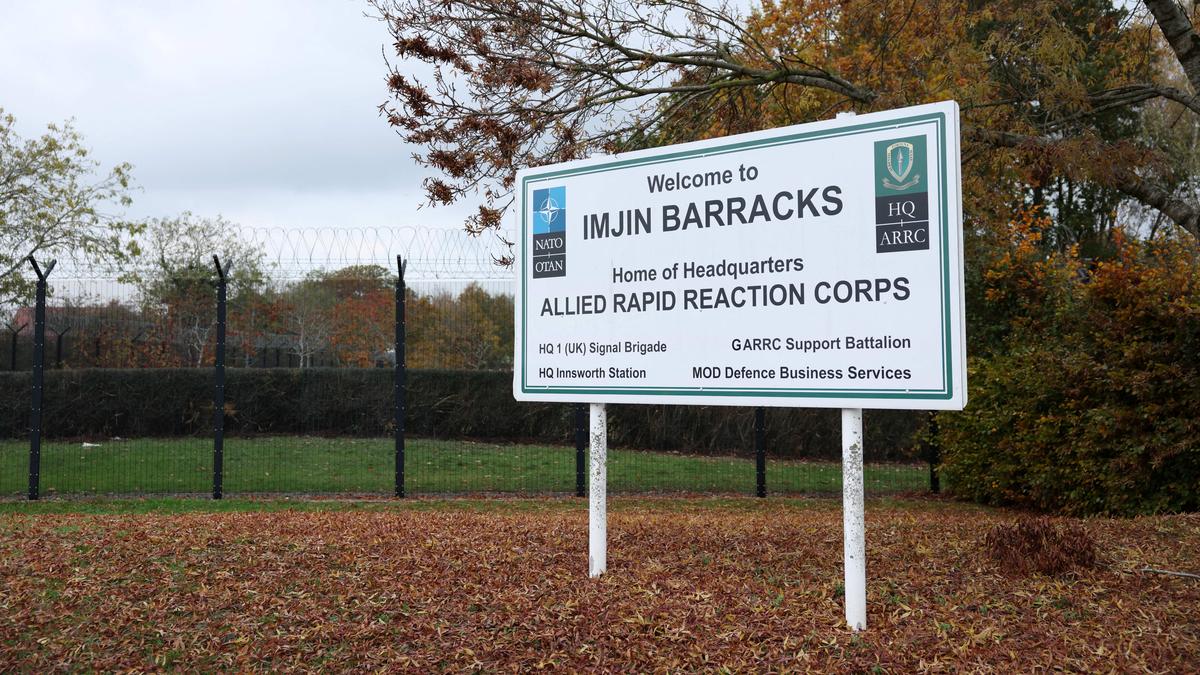
FBI Director Kash Patel said in a statement that the officer was in U.S. custody after an espionage investigation involving close cooperation between the FBI's Philadelphia field office and other U.S. and U.K. law enforcement and intelligence agencies. A senior NATO military official last week confirmed the arrested soldier had been assigned to its Allied Rapid Reaction Corps, a 20-nation high-readiness force led by the British Army and based at Imjin Barracks near Gloucester, a few miles from the U.K.'s GCHQ intelligence headquarters.
Police had arrested the soldier under two sections of U.K. national security laws, one relating to obtaining or disclosing protected information and the other to assisting a foreign intelligence service. Officials said the country to which the allegations relate is Russia, and the Kremlin has denied any links to the soldier. Officers carried out searches at two locations in Gloucestershire after the arrest. U.S. Brigadier General Sean Stinchon said the case should serve as a stark warning to any service member suspected of violating the oath to protect and defend the Constitution.