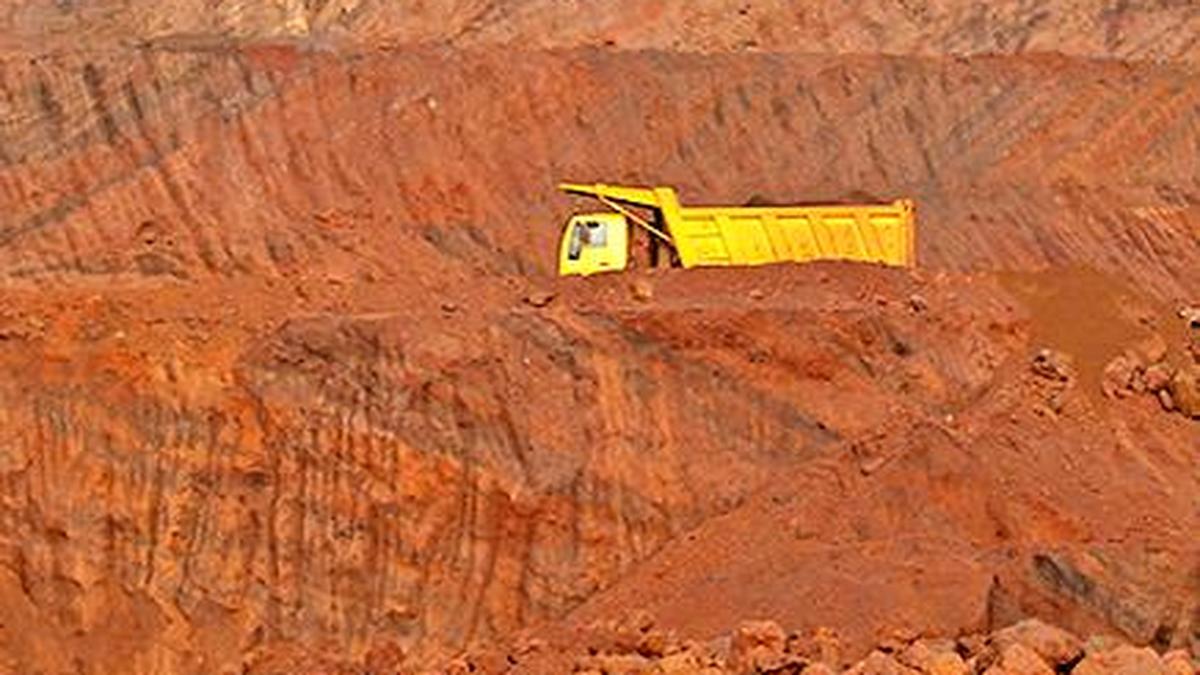
At least six limestone mining projects near the Great Indian Bustard "priority area" in Jaisalmer, Rajasthan, have moved through various stages of the environmental clearance process since July this year, according to reports. Priority areas are crucial habitats that serve as foraging and breeding grounds for the critically endangered bird.
In November, two limestone projects in Jaisalmer's Joga village cleared the first stage of the approval process — one 3.8 km from the boundary of the GIB priority area and the other 5.7 km away. These involve mining at the 368-hectare Joga-IV Limestone Block by Shree Cement East Private Limited and the 376-hectare Joga-II Limestone Block by Ambuja Cements Limited, and were recommended for grant of terms of reference by the Union Environment Ministry's expert appraisal committee at its November 2-4 meeting. Both involve a proposed 12-km transportation route to Sanu railway siding, of which around 3.5 km passes through the habitat; an alternative 250-km route to Phalodi railway station avoids the priority area. The committee directed proponents to explore alternative routes prioritising avoidance of the habitat, and to prepare a GIB-specific conservation and mitigation plan if the route through the priority area is chosen.
In October, projects in Parewar village and Ramgarh village were granted environmental clearance. The Parewar project, with a 960-hectare mining lease area of which 0.29 hectares falls within the habitat, was recommended for clearance on October 8, with the committee directing that no mining take place on that patch and that the area be surrendered. The 256-hectare Ramgarh project by Dalmia Bharat Green Vision Limited is 1.77 km from the priority area. In September, another project in Joga, 5.8 km from the habitat, cleared the first step of the approval process, and in July a project with more than 280 hectares (29%) of its mining lease area within the habitat in the same village received similar clearance.
Dr. Devesh Gadhavi, a former member of an expert committee constituted by the Supreme Court in a PIL concerning the GIB population, said he had presumed such alteration in the larger landscape would eventually lead to significant landscape-level change. "It represents an irrecoverable loss of habitat for the species, and accordingly, in my dissent note of the technical report, I noted that mining should not be permitted in the GIB priority area," he said. In December 2025, the apex court accepted the committee's recommendation to expand the priority area — from 13,163 sq km to 14,013 sq km in Rajasthan and from 500 sq km to 740 sq km in Gujarat.