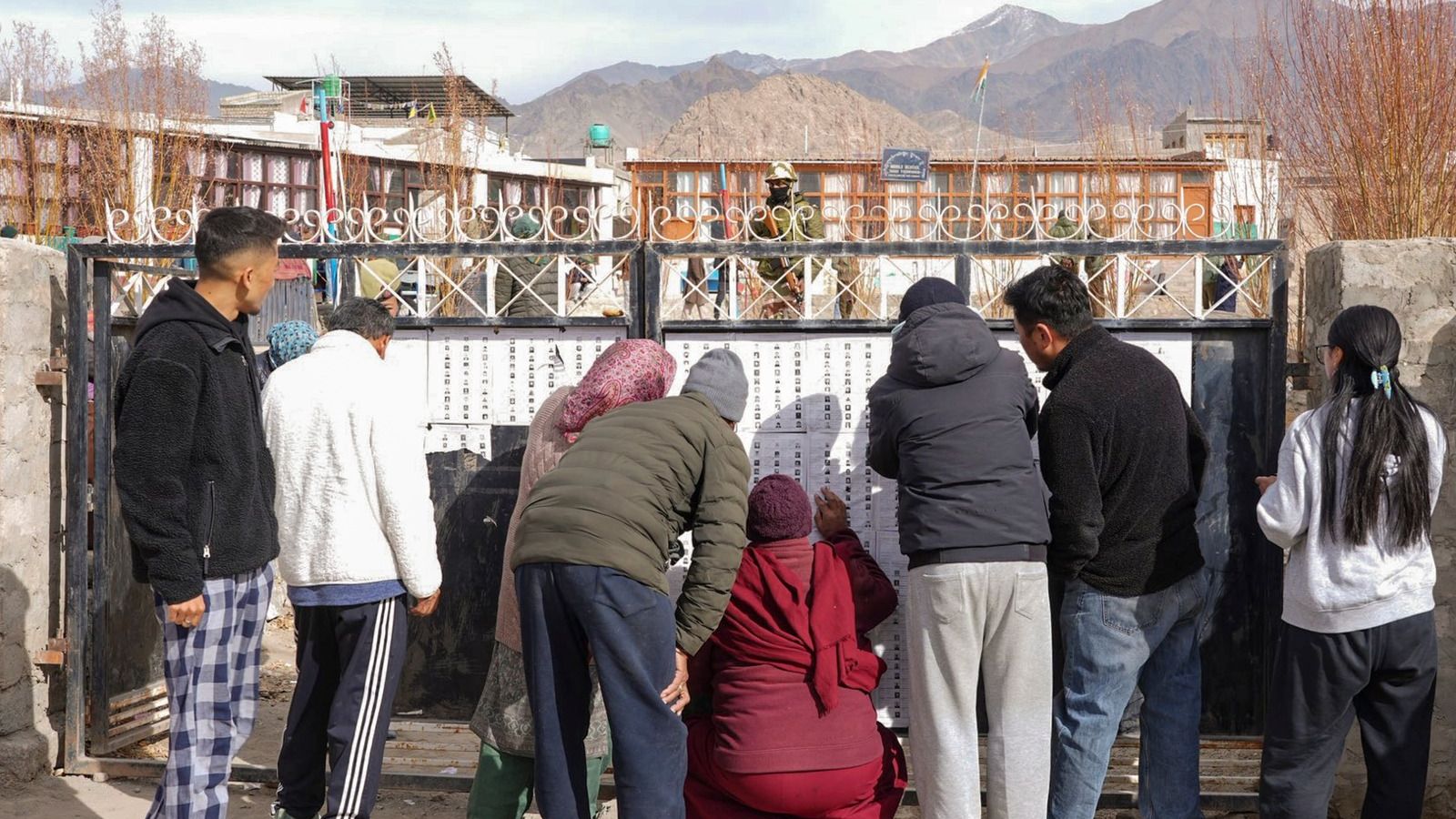
Panchayat and Urban Local Body elections in Ladakh concluded on Saturday with 70.03 per cent turnout in the panchayat polls and 52.40 per cent in the municipal elections, according to the administration. It said this was an improvement over the overall 67.8 per cent recorded in the 2018 panchayat elections. Lieutenant Governor V K Saxena said the turnout reflected an encouraging level of public participation and a powerful testament to people's faith in local self-governance. He noted these were the first such elections since 2018 and the first since Ladakh became a Union Territory in 2019.
According to official figures, Ladakh has 192 panchayats, of which 55 have elected their sarpanches unopposed. Of the 1,428 panch constituencies, 1,186 have been declared elected uncontested, while about 212 panchs are yet to be elected.
Climate activist Sonam Wangchuk and Apex Body Leh chairman Dorjay Lakrook alleged that several voters, especially young people, faced deletions from the voters' list in Saturday's election. Wangchuk also claimed he had been placed under house arrest, with security personnel outside his residence, and was not allowed to step out. Ladakh Police said in a post on Saturday that the ADM Leh had passed a prohibitory order against Wangchuk and clarified that he had not been placed under house arrest. Wangchuk later marked his presence at the ongoing protest in Leh after the police deployment outside his residence was removed.
Wangchuk reiterated his demand to delay the hill council polls scheduled for December 4 and urged the Centre to reconsider them, alleging that pushing through the elections despite police opposition was aimed at derailing the ongoing talks between the Ministry of Home Affairs and Ladakhi socio-political representatives. He said the government was upsetting people in a sensitive border region and that the Ministry of Defence should be more concerned, adding that hill council elections had never been held in December. Lakrook said the basic principle of any election was maximum participation, which he alleged was defeated by holding polling in Ladakh's temperatures, citing the migration of a large part of the population to warmer regions.