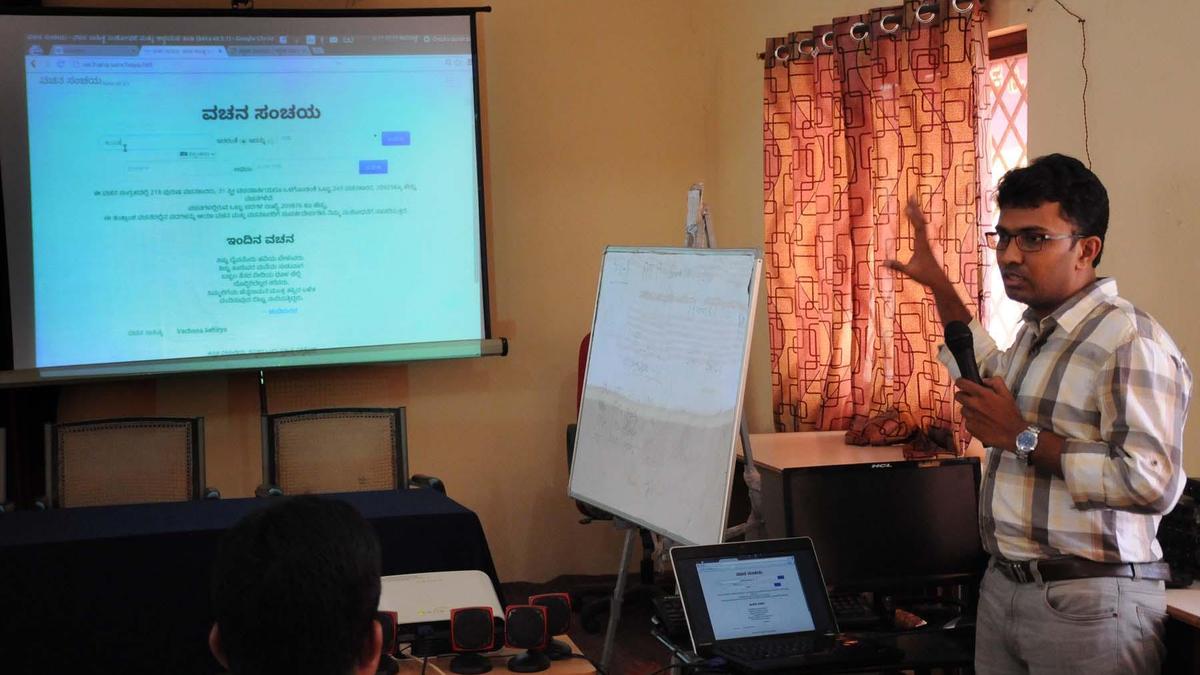
As India enters a busy season of literary and film festivals, a Bengaluru-based language technologist and digital archivist has built two free, open-source portals to help enthusiasts navigate them. Omshivaprakash H.L. has developed the [LitFest Guide] and the [FilmFest Guide], which compile festival programmes, speakers, films and schedules in one place. He said navigating event websites and schedules can be very difficult, and he wanted to make it easier for people to find the sessions they can attend.
The LitFest Guide covers 30 Indian and 5 international literary festivals, listing speakers, sessions, venues and dates. It also offers detailed speaker profiles, mapping each person to their sessions and venues, along with information on their field of work, profession, languages, books authored and festival history. Users can shortlist speakers for easy reference. Mr. Omshivaprakash said his interest in digital archiving led him to explore what books authors had written and why certain people were being featured at a particular festival, and whether that data could be collected and made more useful.
The portal also presents data-driven insights. Its snapshot of BLF 2026, for instance, shows that 142 of the 243 listed speakers are attending for the first time, that women account for 62% of speakers whose gender has been identified, and that 33 speakers are from outside India. An 'explore' section offers the entire literary festival bookshelf.
The FilmFest Guide features films being screened at festivals, their makers and awards, with tools to explore films geographically, track schedules and browse by language. It also examines how award-winning films have fared across festivals. Mr. Omshivaprakash said he has tracked 8,133 film festivals so far, covering nearly 331 languages and more than 48,000 films. Both guides are free and available in English, Kannada and Hindi. He said he now wants to explore whether these festivals are bringing people together and making an impact on the development of local languages, and whether the information is accessible to people in their respective languages.