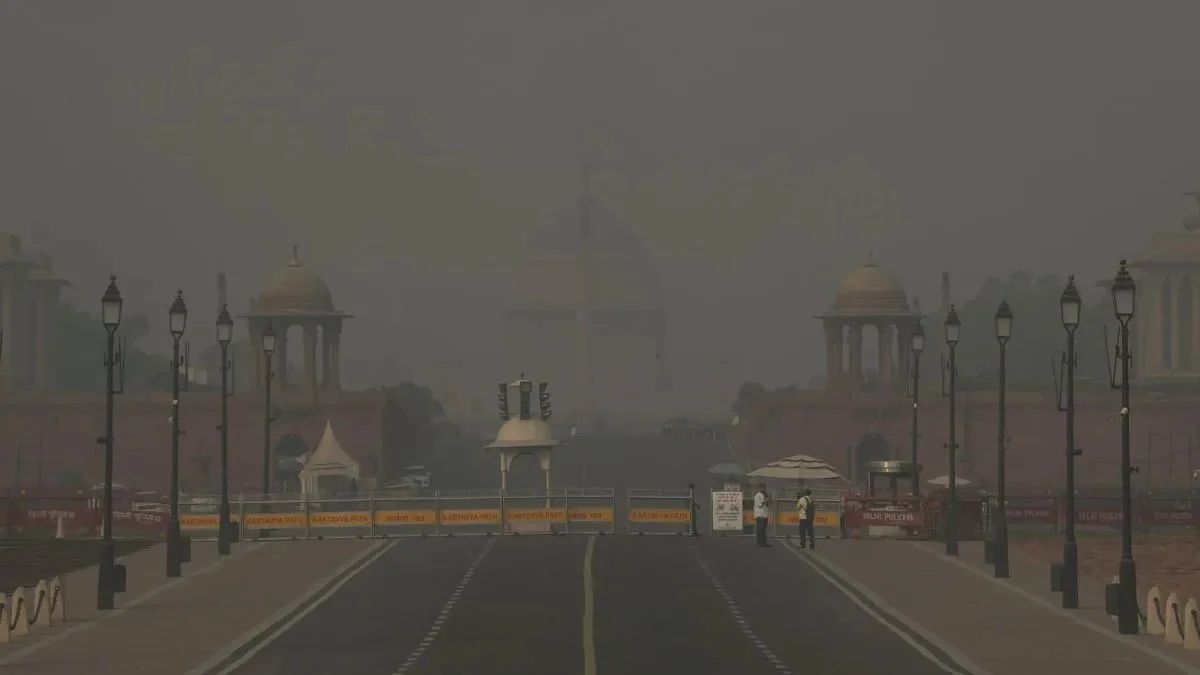
As winter sets in, morning walks often bring a thick white haze that cuts visibility and makes distant buildings hard to see. While many assume this is fog, it could also be smog linked to air pollution. The India Meteorological Department (IMD), in a post on X, has explained how the two differ, what causes them and why identifying the condition correctly matters.
According to the IMD, fog consists mainly of tiny water droplets suspended in the air, formed when atmospheric moisture condenses. It is more common in winter as temperatures drop and moisture levels rise, and dense fog can make driving difficult, especially in the early morning. Smog, by contrast, is associated with air pollution and contains smoke, dust, haze and other pollutant particles, with vehicle emissions, industrial pollution and construction dust among the contributing factors. Winter weather can allow these pollutants to remain concentrated near the ground, worsening air quality.
The key difference lies in formation: fog is primarily a natural meteorological phenomenon, while smog is pollution-linked. Both reduce visibility, so the two cannot be told apart simply by looking at the sky. Checking local air quality levels can help people understand whether pollution is also contributing to the haze.
Smog can affect the respiratory system, with exposure to its pollutants potentially leading to eye irritation and burning, throat soreness, coughing and breathing difficulties. Children, older people and those with existing respiratory conditions may be more vulnerable. Before stepping out, people should check the Air Quality Index for their area and weather updates, limit outdoor time near busy roads and construction sites when pollution is high, and wear a suitable mask when necessary. Delhi and several other parts of the country experience smog in winter, making it important to rely on local air quality data rather than visibility alone.