Doctors and public health experts in Hyderabad have called for a coordinated effort by hospitals to document the health effects of air pollution and build a city-level database to help shape public policy. The issue was discussed at a panel on the impact of mobility on air quality and public health at Cyberabad Moves.
Dr Sudheer Vinnamala of KIMS said hospitals could share anonymised data on respiratory illnesses, strokes and cardiovascular conditions with public health authorities, arguing that what cannot be measured cannot be managed. He said doctors could also use daily AQI information to alert patients with asthma and other respiratory conditions when pollution levels worsen. Dr Vishwanath Gella, a pulmonologist at AIG Hospitals, said pollution affects people with and without pre-existing conditions, with cases rising during poor air quality periods, particularly around Deepavali and in winter.
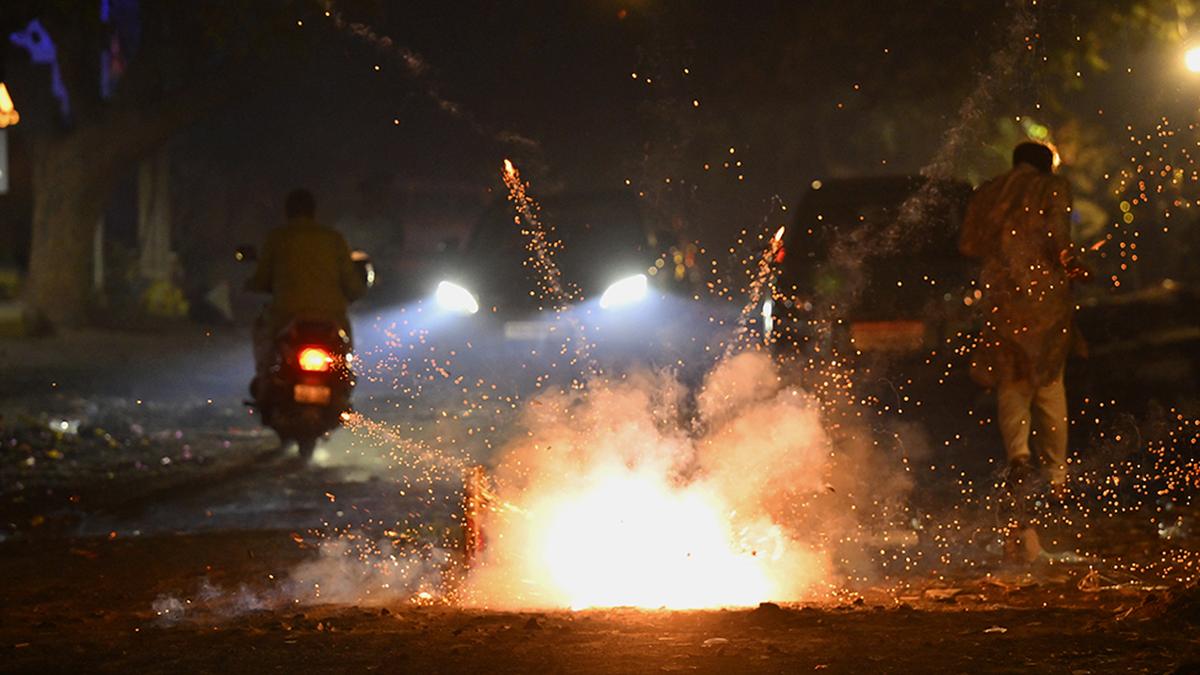
Pawan Mukulutla of WRI India, who moderated the discussion, noted that Hyderabad's AQI crossed 300 on Deepavali and that particulate matter levels had been several times above prescribed thresholds. Dr Shailaja Tetali of the Public Health Foundation of India said research on school travel showed around 80 per cent of children live within two to three kilometres of their schools, and called for action on existing evidence rather than repeated studies.
Orthopaedic surgeon Dr Gurava Reddy of KIMS-Sunshine Hospitals said poorly designed roads and junctions contributed to crashes, and that better road engineering could address several flaws without large investments. The panel also discussed how hospitals could reduce traffic through better appointment scheduling, shared transport and last-mile connectivity.