A former member of the India-Nepal Eminent Persons Group (EPG) has described its report as "highly positive" for bilateral relations, saying it was "odd" that the group never got to present it to the Government of India. The remarks by Mahendra P. Lama, a former professor at Jawaharlal Nehru University, came a day after Foreign Secretary Vikram Misri termed the EPG report "not relevant" and said India would take a "forward looking" approach on boundary issues with Nepal.
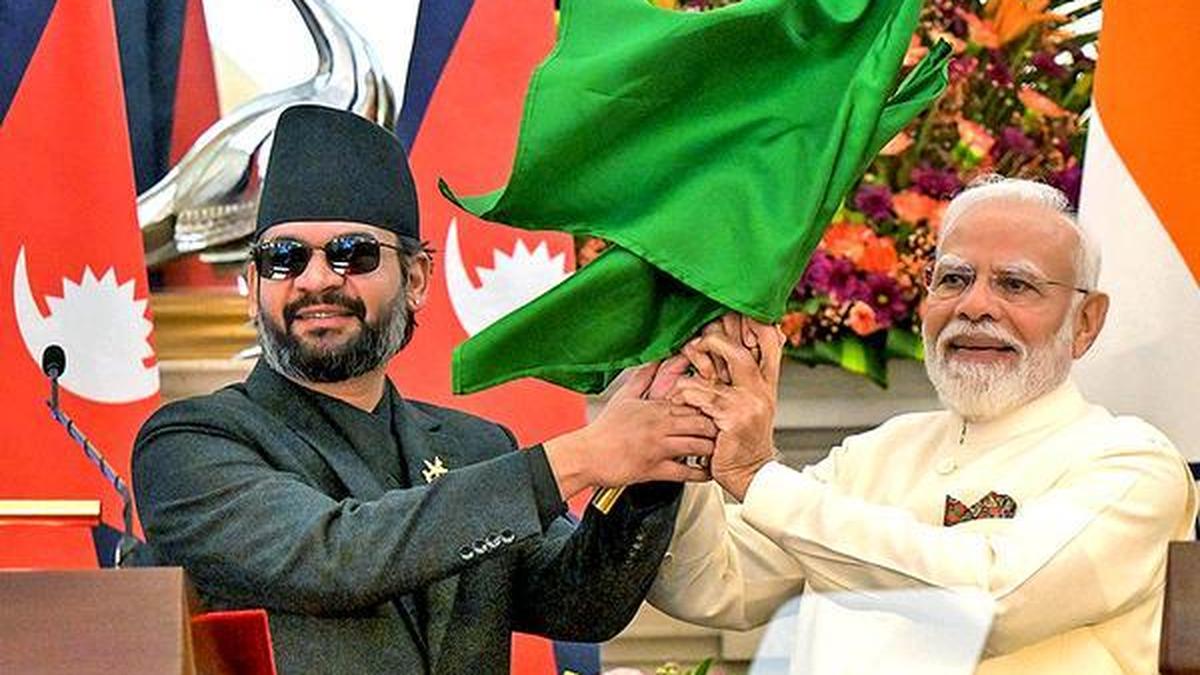
Mr. Misri made the comments at a press conference on Monday (November 23, 2026) after the visit of Nepali Prime Minister Balendra Shah, stating that the EPG was "in the past" and that New Delhi was "not looking backward". Prof. Lama said the report was produced after extensive research and field visits, including to Visakhapatnam and other ports of interest to Nepal, and contained recommendations that could be of great use to both countries.
Former Nepali ambassador Bhek Bahadur Thapa, who coordinated the EPG on the Nepali side, described the report as a step forward for the bilateral consultation process, noting it was not a unilateral document but was created through consultation among experts appointed by New Delhi and Kathmandu. The report, covering a broad spectrum of India-Nepal relations including the Kalapani dispute and the 1950 India-Nepal Friendship Treaty, was completed in 2018 but remained under sealed covers.
Prof. Lama said it was odd that the report could not be launched in Delhi, recounting that the Nepali side had said it should be unveiled first by the Indian Prime Minister, with the Nepali Prime Minister unveiling it the same day in Kathmandu. He said the recommendations can now be accessed by other stakeholders in Kathmandu, which he did not think was a positive thing. The EPG was set up following an understanding during delegation-level talks between Prime Minister Narendra Modi and former Nepali Prime Minister K.P. Sharma Oli in February 2016.