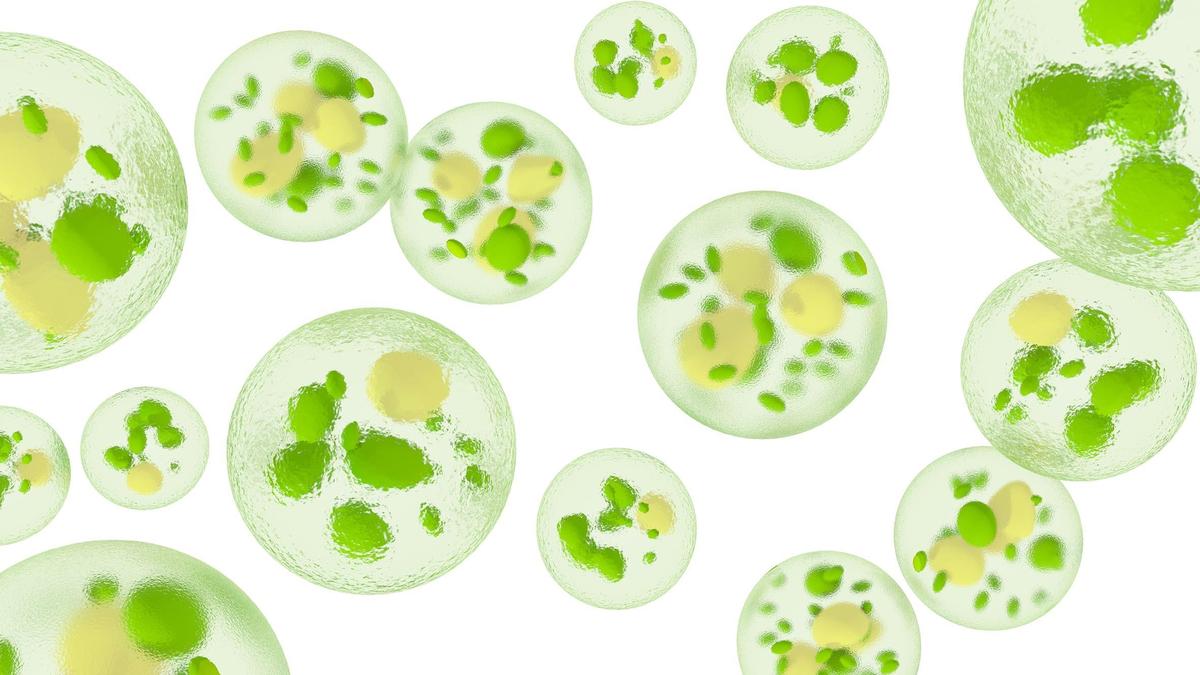
Researchers at BITS Pilani, Hyderabad Campus, have secured an Indian patent for a low-cost nutrient medium that could make large-scale microalgae cultivation more affordable, according to a press release issued on Thursday. The innovation, titled "Nutrient Medium Composition for Mass Cultivation of Microalgae" (Patent No. 603126), was developed by Sandip S. Deshmukh of the Department of Mechanical Engineering, K. Pranav Narayan of the Department of Biological Sciences and research scholar Sama Sanghamitra.
Microalgae are microscopic organisms that use sunlight and carbon dioxide to produce biomass, and are considered a promising resource for wastewater treatment, carbon dioxide capture, biofertilisers, food and nutraceutical products, and the production of biodiesel and other bio-based fuels. However, the high cost of cultivation has limited their large-scale adoption.
The BITS team developed an alternative formulation using locally available agricultural-grade fertilisers instead of expensive laboratory-grade chemicals. The formulation supplies key nutrients such as nitrogen, phosphorus, potassium and sulphur required for microalgal growth while reducing the complexity and cost of preparing the cultivation medium. According to the release, the macronutrients needed to prepare 100 litres of the new medium cost about ₹2.40, compared with around ₹43 for the conventional Bold's Basal Medium (BBM), with the overall cost estimated at around ₹4.50 per 100 litres. The formulation can be supplied as a dry powder to be dissolved in water before use.
The technology was tested in laboratory, non-sterile and outdoor cultivation conditions, and the microalgae was also successfully cultivated in a 10,000-litre open pond using natural sunlight and atmospheric carbon dioxide. The researchers are now in discussions with a potential industry partner, which has proposed a two-month evaluation of the formulation for carbon capture and biomass production applications. They are also seeking collaborations with companies in the biofuel, algal biotechnology and carbon management sectors to explore commercialisation of the technology.