Garment manufacturers in Bangladesh could offer a minimum monthly wage increase of about 15% at talks with authorities on Monday, industry leaders said. The proposal falls far short of workers' demand to raise the minimum wage to 30,000 taka from 12,500 taka, citing rising food, housing and transport costs.
Industry leaders, speaking on condition of anonymity, said an increase above 15% would be unsustainable given higher production costs, rising utility tariffs and weak global demand. One said many small factories could struggle even with such a raise. There was no immediate comment from the Labour Minister or workers' representatives.
Unrest over wages since early November has led to shutdowns and violence in the world's second-largest garment exporter, which employs over four million workers and supplies major global retailers including H&M, Gap and Walmart. A survey by the Bangladesh Garment Manufacturers and Exporters Association found 18 days of disruptions caused losses of about $428 million across 317 factories, while international buyers shifted orders worth roughly $254 million to other countries.
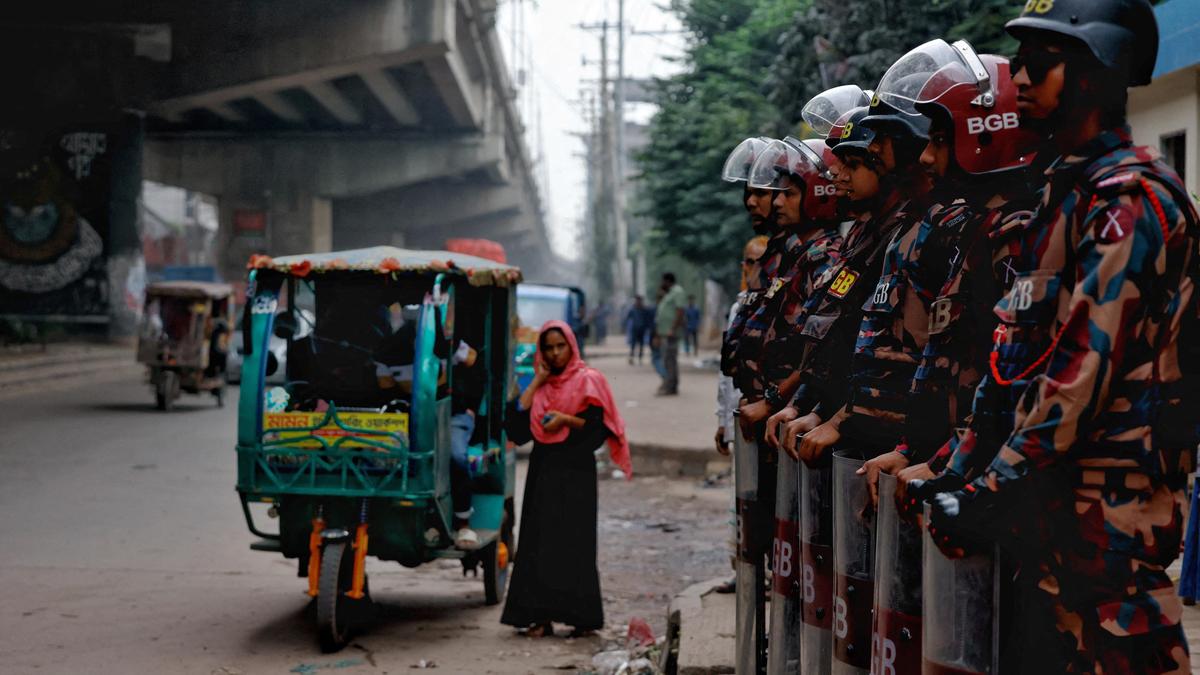
Labour unrest continued on Monday, forcing dozens of factories to shut in Ashulia and Gazipur, key manufacturing hubs near Dhaka. Factory owners have warned of further disruption to production and export shipments during a crucial period for overseas orders, while labour representatives said workers are unlikely to accept an increase significantly below their demands. The ACT initiative, a global wage-bargaining platform whose brand members include H&M Group, Inditex, C&A, Primark, Next and PVH Corp, has called for an urgent and meaningful increase in the minimum garment wage.