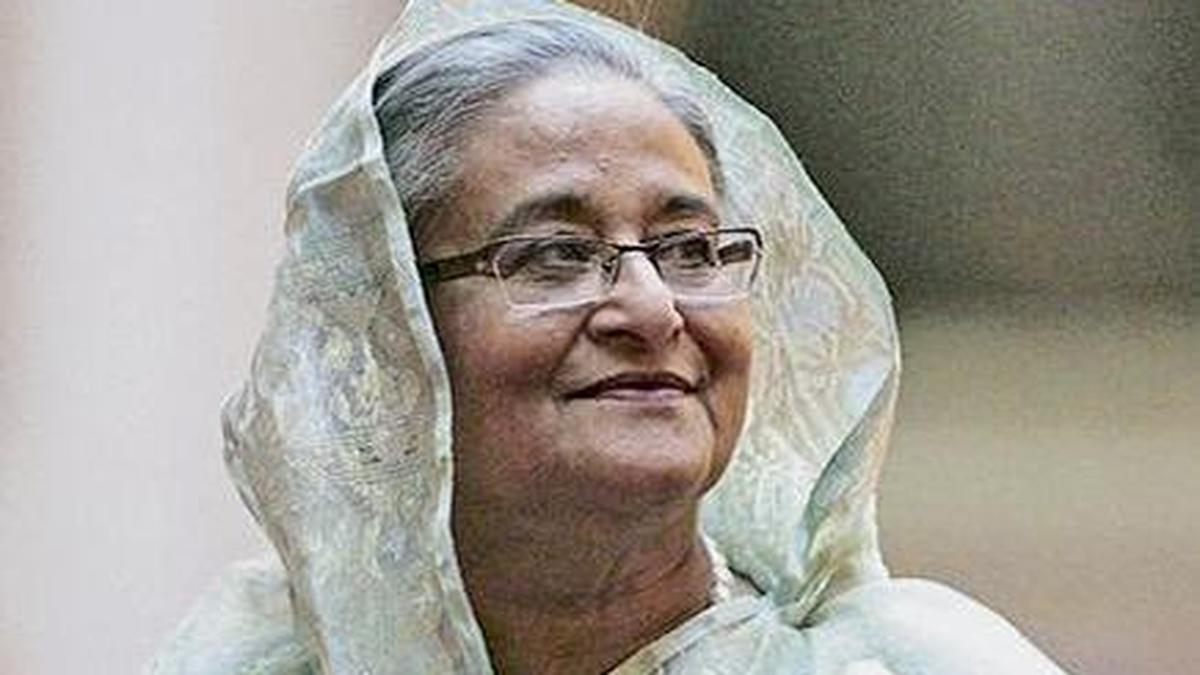
Bangladesh will arrest and jail former prime minister Sheikh Hasina if she returns from India, State Minister for Foreign Affairs Shama Obaed Islam said, as Ms. Hasina's plans to come home in December 2026 fuel political tension and renewed street violence. Dhaka is seeking her extradition from India, where she has lived since fleeing Bangladesh in August 2024 following a student-led uprising that toppled her government, and expects New Delhi to comply with an existing extradition treaty.
Ms. Hasina faces a death sentence in Bangladesh, and her Awami League party is banned following the 2024 uprising. The United Nations has said as many as 1,400 people were killed during the unrest. India's External Affairs Ministry did not immediately respond to a request for comment; in April 2026, the Ministry said it was examining Bangladesh's extradition request.
Ms. Obaed said in an interview on Sunday (November 22, 2026) that Ms. Hasina would be arrested as soon as she tries to enter Bangladesh and that the law would take its course. The standoff has brought Awami League supporters onto the streets; the party announced a week of protests culminating in a nationwide lockdown on November 19, 2026, and police have recorded dozens of crude bomb blasts and incidents of arson targeting vehicles in at least 28 districts over the past 10 days, with several police officers and civilians injured, according to reports. Ms. Obaed called the violence a survival tactic by a "politically bankrupt political party," while senior Awami League official Khalid Mahmud Chowdhury said the current political establishment was responsible for the violence.
Dhaka is also stepping up diplomatic pressure on Myanmar over the return of Rohingya refugees, after the UN's highest court ruled that killings and widespread sexual violence by Myanmar's security forces against the Muslim minority in 2017 amounted to State-sponsored genocide. Myanmar has criticised the ruling and said Rohingya would only be able to return "when situations permit." Ms. Obaed said the verdict gives Bangladesh and the Rohingya community strength to fight, adding that they deserved to return "with dignity and safety." About 1.2 million Rohingya live in Bangladesh after repeated repatriation attempts failed.